
Daniel R.
San Francisco, CA

I went to Dr. Liu for GainsWAVE and the p-shot. I found him to be quite informed, very friendly, and a pleasure to work with.
ReviewsDaniel R.
San Francisco, CA
I went to Dr. Liu for GainsWAVE and the p-shot. I found him to be quite informed, very friendly, and a pleasure to work with.
Reviews
Marcus B.
San Jose, CA
I found Dr. Liu, one of the only board certified plastic surgeons doing this procedure. We mixed both length and girth, and my confidence shot way up!
Reviews
Anthony C.
Palo Alto, CA
Dr. Liu and his team are amazing, very friendly and professional. I was nervous about having the procedure but Dr. Liu really knows what he is doing and eased my concerns
ReviewsConveniently located to serve the areas of San Francisco, CA
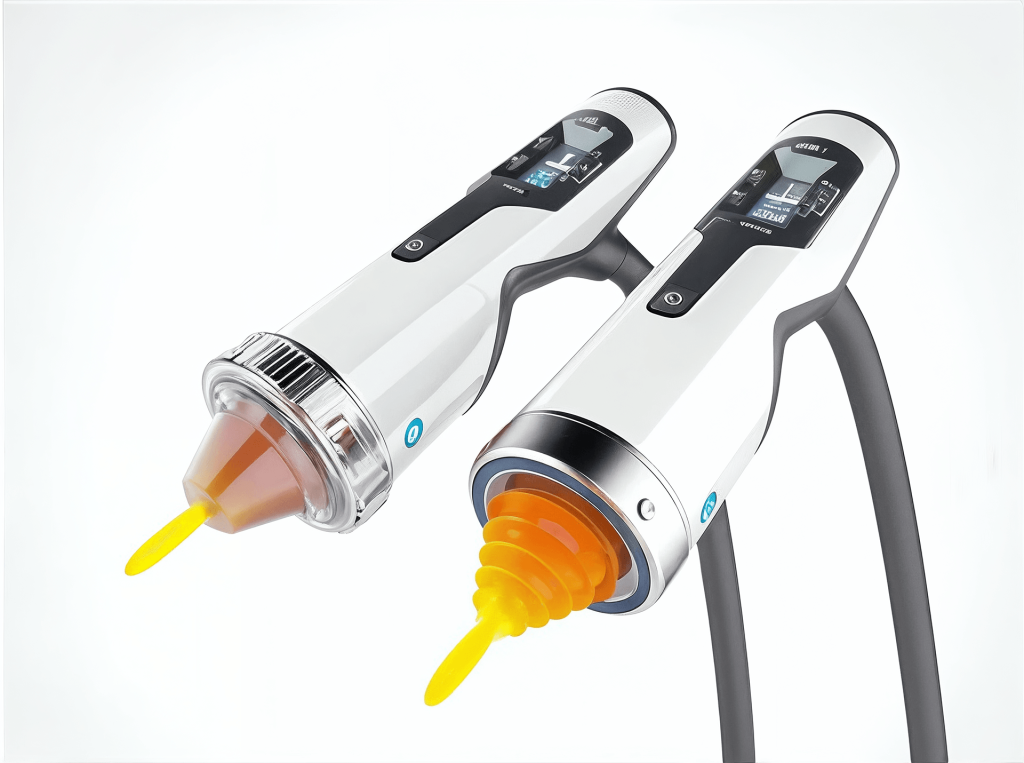
A non-invasive, clinically proven treatment that targets the root cause of erectile dysfunction by improving blood flow and restoring natural erectile function.
Contents
At BeYoungerPrime clinic, we use a focused shock wave system (storz duolith) to deliver evidence-based treatment.
Focused low-intensity shock wave therapy is the evidence-based modality for erectile dysfunction. It delivers energy directly to the corpora cavernosa, helping improve blood flow and vascular function.
Radial (acoustic) wave devices are superficial and dissipate quickly, limiting
penetration to erectile tissue. A randomized, sham-controlled trial showed no benefit compared with placebo.
Focused systems such as the Storz Duolith SD1 have randomized, placebo-
controlled clinical data demonstrating improved erectile outcomes in appropriately selected men.
The clinical evidence for shock wave therapy in ED is based on focused—not radial—technology.
Sandoval-Salinas et al., J Sex Med 2022; Chung et al., World J Mens Health 2023;
Olsen et al., Scand J Urol 2015; Lu et al., Eur Urol 2017; Kalyvianakis et al., J Urol 2022; European Association of Urology; American Urological Association.
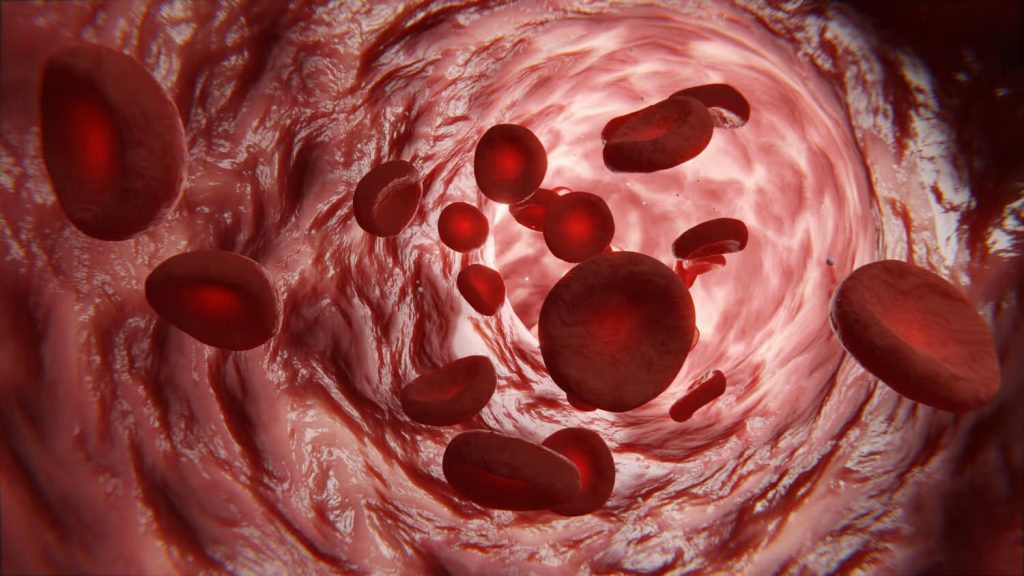
Erectile dysfunction (ED) is often caused by reduced blood flow to the penis. One of the most promising non-surgical treatments developed in the last decade is low-intensity shockwave therapy, also called Li-ESWT (Low-Intensity Extracorporeal Shockwave Therapy).
Unlike medications that temporarily improve erections, shockwave therapy is designed to restore the underlying vascular health of the penis, helping the body regain its natural erectile function.
Shockwave therapy uses low-intensity acoustic energy waves delivered to penile tissue using a specialized medical device.
These sound waves pass through the skin and stimulate biological repair processes within the erectile tissue.
The treatment is:
An erection depends on three main systems working properly:
When these systems are impaired—most commonly due to aging, vascular disease, diabetes, or lifestyle factors—erections may become weaker or difficult to maintain.
Shockwave therapy works by stimulating repair of the penile blood vessels and surrounding tissue.

1. Stimulates New Blood Vessel Formation
Acoustic waves create controlled micro-stimulation in penile tissue, activating the release of growth factors. This encourages angiogenesis (formation of new blood vessels), improving blood flow during erections.
2. Improves Penile Blood Circulation
Shockwave therapy enhances the function of existing blood vessels and increases nitric oxide signaling. This improves the ability of penile arteries to dilate and fill the erectile chambers.
3. Enhances Smooth Muscle Function
Healthy smooth muscle is necessary to trap blood inside the penis during erection.Shockwave therapy may improve smooth muscle activity and tissue elasticity, supporting stronger erections.
4. Activates Tissue Repair Mechanisms
Shockwave therapy stimulates release of key repair molecules:
These effects help restore erectile tissue health over time.
Shockwave therapy works best for men with vascular erectile dysfunction, especially in early or moderate stages.
Good candidates include men who:
Men with severe nerve damage, advanced diabetes, or significant fibrosis may have more limited response.
Typical protocol:
During treatment, a handheld device delivers several thousand pulses of acoustic energy to different areas of the penis. The procedure is well tolerated and requires no downtime.
Clinical studies suggest significant improvement in many men with vascular ED:
| ED Severity | Improvement Rate |
|---|---|
| Mild ED | 70–80% |
| Moderate ED | 60–70% |
| Severe ED | 30–50% |
Many patients report:
Results often continue improving over several months.
Shockwave therapy is often combined with regenerative approaches:
Combination protocols may improve outcomes in more advanced cases.
Shockwave therapy is considered very safe. Possible side effects:
No known long-term adverse effects.
This reflects gradual vascular repair and tissue regeneration.
Shockwave therapy represents a shift from symptom management to restoring erectile physiology.
Early treatment may help slow or reverse progression of ED by improving vascular health.
This content is for educational purposes only and does not constitute medical advice. Treatment suitability should be determined by a qualified physician.
Below are credible medical references supporting the information in the article on Low-Intensity Shockwave Therapy (LiESWT) for Erectile Dysfunction. These are drawn from peer-reviewed journals, urology guidelines, and meta-analyses commonly cited in academic literature.
Major Clinical Trials
Meta-Analyses and Systematic Reviews
Mechanism of Action Studies
These studies demonstrate:
Urology Guidelines and Expert Reviews
Both guidelines recognize shockwave therapy as an investigational but promising treatment for vasculogenic ED.
Review Articles
Key Findings from the Literature
Across studies:
Improvement rates in studies commonly range from:
Example Citation for Your Website
Selected References