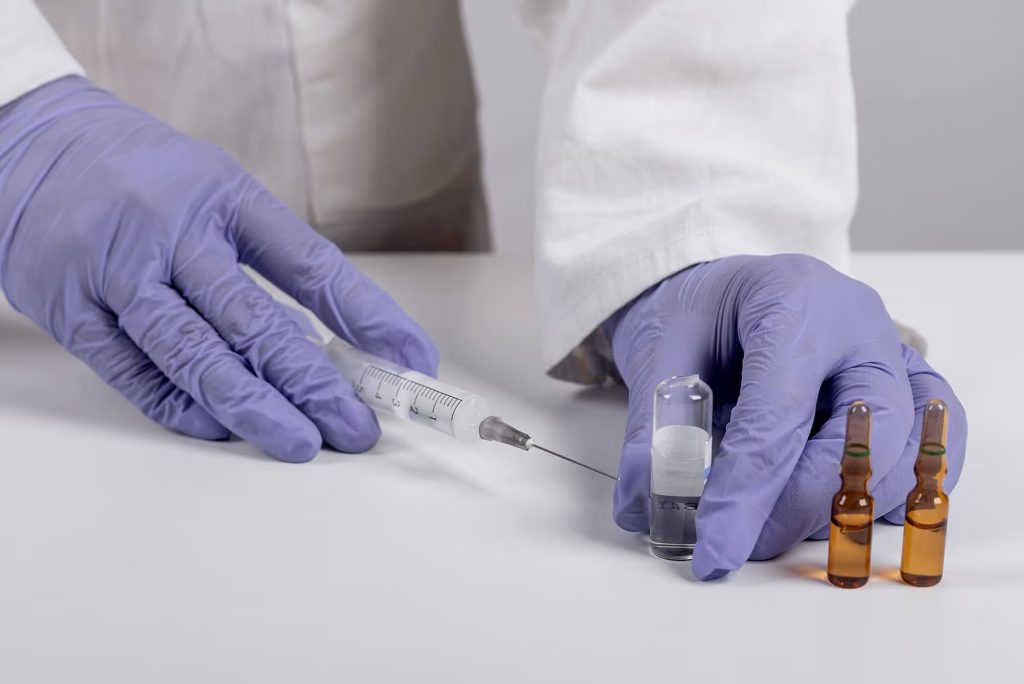
Daniel R.
San Francisco, CA

I went to Dr. Liu for GainsWAVE and the p-shot. I found him to be quite informed, very friendly, and a pleasure to work with.
ReviewsDaniel R.
San Francisco, CA
I went to Dr. Liu for GainsWAVE and the p-shot. I found him to be quite informed, very friendly, and a pleasure to work with.
Reviews
Marcus B.
San Jose, CA
I found Dr. Liu, one of the only board certified plastic surgeons doing this procedure. We mixed both length and girth, and my confidence shot way up!
Reviews
Anthony C.
Palo Alto, CA
Dr. Liu and his team are amazing, very friendly and professional. I was nervous about having the procedure but Dr. Liu really knows what he is doing and eased my concerns
ReviewsConveniently located to serve the areas of San Francisco, CA
Erectile dysfunction is often connected to vascular health, hormone balance, metabolic function, and overall systemic health—not just age. At here, ED is approached as a medical condition requiring physician evaluation and individualized care planning.
Expert men’s sexual healthcare for ED, complex ED, and performance concerns, provided by an M.D. We offer a range of advanced treatment options — including approaches for men who haven’t responded to medications like Viagra or Cialis — aimed at helping restore function, confidence, and performance. Some of these therapies (such as shockwave, PRP, and regenerative options like exosomes or stem-cell approaches) are used off-label or are still considered investigational, and individual results vary. Personalized, discreet, and patient-focused care.
Contents
Help is here. Take control of your sexual health today.

An erection is not a single event — it is the result of coordinated vascular, neurological, hormonal, and tissue function. Understanding how these systems work together allows us to identify where performance changes begin and how to treat them appropriately.
Vascular Function — Healthy arterial inflow and efficient blood trapping inside the erectile tissue are essential for rigidity and sustainability.
Nerve Signaling — Communication between the brain, spinal cord, and penile tissue initiates and maintains the erectile response.
Hormonal Support — Testosterone and metabolic health influence libido, energy, tissue responsiveness, and recovery.
ED is rarely caused by a single factor. Most cases involve changes in one or more physiological systems.
Vasculogenic — Reduced blood flow, endothelial dysfunction, or impaired vascular responsiveness.
Neurogenic — Changes in nerve signaling due to aging, metabolic conditions, surgery, or injury.
Hormonal — Low testosterone, thyroid imbalance, insulin resistance, or chronic stress response.
Psychogenic — Performance anxiety, chronic stress, and sympathetic overactivity affecting reliability.
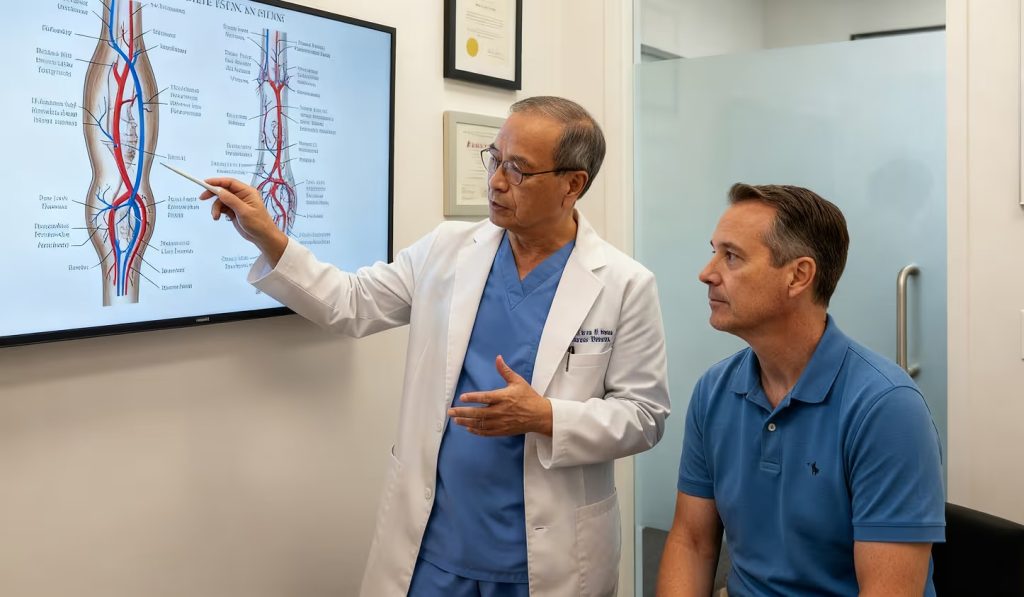
Long-term erectile dysfunction (ED) is more than just a challenge to intimacy; it can lead to physical changes, including shrinkage. When erections become infrequent over time, the penile tissues may lose elasticity and proper blood flow, causing a gradual reduction in length and girth.
This process, known as penile atrophy, underscores the importance of addressing ED early to preserve both physical and emotional well-being. Modern treatments, such as the regenerative therapies we offer, can help restore healthy function and prevent further complications.
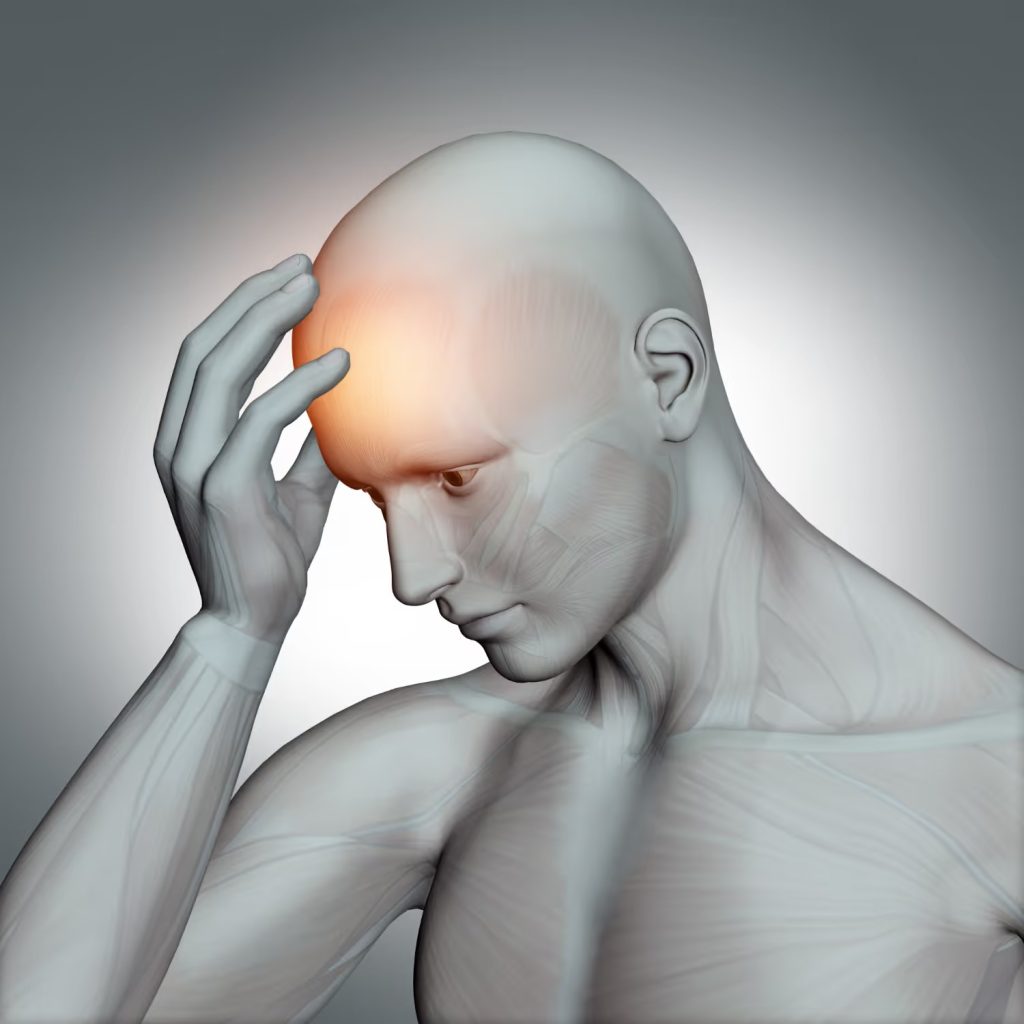
Treatment begins with identifying the dominant contributors to ED — not selecting a procedure.
Medical History — Lifestyle, medications, onset pattern, and prior therapies.
Laboratory Evaluation — Hormonal, metabolic, and cardiovascular markers when indicated.
Response to Medications — PDE5 response helps determine vascular and tissue function.
Physician Assessment — A structured evaluation used to build an individualized care plan.
Erection quality depends on coordinated chemical signaling between the brain, nerves, blood vessels, and erectile tissue. These pathways influence arousal, blood flow, smooth muscle relaxation, and tissue responsiveness.
Therapies are not selected as standalone procedures. They are used as part of a physician-directed treatment strategy based on the underlying cause of ED, prior treatment response, and long-term performance goals. Not every patient requires every level of care.
Optimize
Goal: Attempt to improve natural erections
Regenerate & Recover (Moderate ED)
Goal: Improve vascular function
Restore Structure & Performance
Goal: Improve both function + confidence
Reliable Function (Advanced ED)
Goal: Predictable erections
Definitive Solution (End-Stage ED)

Therapies are selected based on physiology, prior treatment response, and long-term goals. Not every patient requires every level of care.
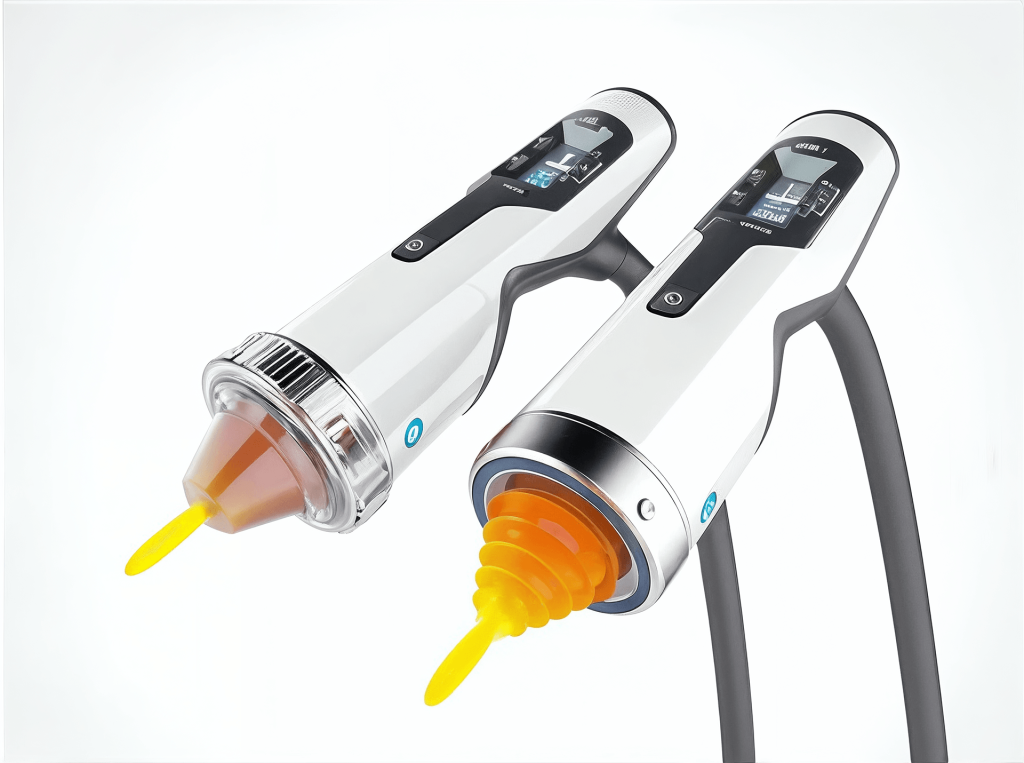
Shockwave Therapy
Supports vascular function and nitric oxide signaling. Often used as a first-line restorative therapy in appropriate candidates.
Learn More About Shockwave Therapy
PRP (Platelet-Rich Plasma)
Used to support tissue health, cellular signaling, and erectile function when vascular optimization alone is not sufficient.
PRP + Cavernosal Botox (Adjunctive)
For treatment-resistant cases, this physician-guided, off-label combination may be considered to improve tissue responsiveness and enhance the effect of other therapies.Not a first-line treatment.
PT-141
A centrally acting therapy that may support desire and erectile response in selected patients as part of a comprehensive plan.
Hormone Optimization
Used when laboratory evaluation confirms hormonal contribution to performance changes.
Learn More About Hormone Oprimization
Penile Implant
A reliable, definitive solution for advanced ED when restorative therapies are no longer effective.Modern implants have patient satisfaction rates close to 90%.
Learn More About Penile Implant
Diet for Erectile Dysfunction
For borderline erectile dysfunction (early or mild ED), diet and supplements can meaningfully improve vascular function, nitric-oxide signaling, testosterone balance, and metabolic health.
Lifestyle and Erectile Dysfunction
Lifestyle has a major impact on erectile function because erections depend on healthy blood vessels, nerves, hormones, and psychological health.
Learn More About Lifestyle for ED

In many cases, erectile dysfunction treatment begins with pharmacologic therapy designed to support vascular signaling and improve erectile response. These medications are widely used in medical practice and may be recommended depending on the underlying cause of ED and prior treatment response.
Two main medication categories are commonly used:
These therapies may be used alone or as part of a broader physician-guided treatment strategy.
Oral medications for erectile dysfunction belong to a class of drugs known as PDE-5 inhibitors. These medications enhance nitric oxide signaling in erectile tissue, allowing smooth muscle relaxation and improved blood flow.
They do not produce an erection automatically — sexual stimulation is still required. Effectiveness rates vary depending on the underlying cause of ED, but these medications are effective in approximately 60–80% of men.
| Drug | Brand | Onset | Duration |
|---|---|---|---|
| Sildenafil | Viagra | 30–60 min | 4–6 hr |
| Tadalafil | Cialis | 30–120 min | up to 36 hr |
| Vardenafil | Levitra / Staxyn | 30–60 min | 6–8 hr |
| Avanafil | Stendra | 15–30 min | 6–12 hr |
Key differences
Common side effects
Important contraindication PDE-5 inhibitors should never be combined with nitrates (such as nitroglycerin) because of the risk of severe blood pressure drops.
When oral medications are ineffective or contraindicated, physicians may recommend intracavernosal injection therapy. These medications are injected directly into the erectile chambers of the penis (corpora cavernosa) and act as potent vasodilators.
Alprostadil (PGE-1)
Trimix (combination therapy: Alprostadil + Papaverine + Papaverine)
Bimix (combination: Papaverine + Phentolamine)
Often used when alprostadil causes penile discomfort.
In certain clinical situations, additional therapies may be considered as part of a comprehensive treatment strategy. Examples include:
Many men’s health clinics combine pharmacologic therapy with regenerative treatments to support both immediate erectile response and long-term vascular health. Common treatment combinations include:
These approaches aim to improve both short-term performance and long-term erectile tissue health.
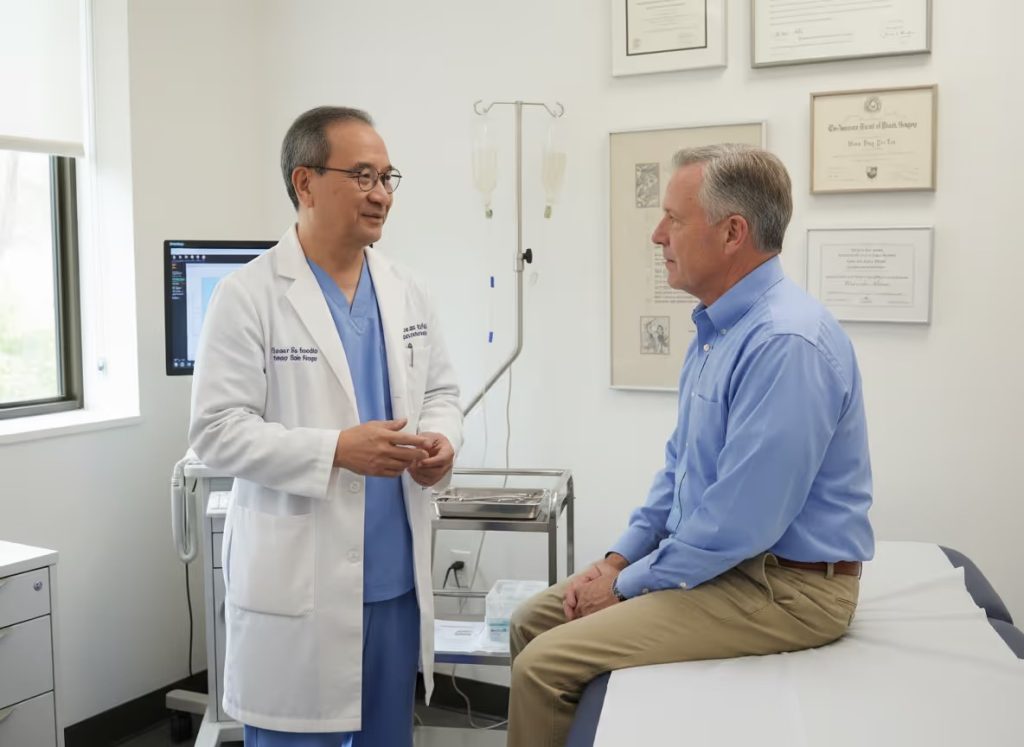
Optimization & Shockwave
Focuses on improving vascular function, blood flow, and tissue responsiveness through medical optimization and low-intensity shockwave therapy. Often used as the first step for men who still respond partially to medication or want to restore natural performance.
Regenerative PRP
Platelet-rich plasma is used to support tissue health, cellular signaling, and erectile function in patients who need more than vascular optimization alone. Typically recommended when response to first-line therapy is incomplete.
Cavernosal Botox (adjunctive)
An off-label, physician-guided option for treatment-resistant cases. Used to reduce cavernosal smooth muscle overactivity and improve responsiveness to other therapies as part of a comprehensive medical strategy.
Learn More About Cavernosal Botox
Penile Implant (when needed)
An off-label, physician-guided option for treatment-resistant cases. Used to reduce cavernosal smooth muscle overactivity and improve responsiveness to other therapies as part of a comprehensive medical strategy.
Learn More About Penile Implant
Adjunctive Option for Treatment-Resistant Erectile Dysfunction
For men who do not respond adequately to first-line therapies such as oral medication, additional physician-guided options may be considered as part of a comprehensive erectile restoration strategy.
Intracavernosal botulinum toxin is an off-label therapy supported by emerging clinical literature and is used selectively in appropriate candidates. It is not a first-line treatment and is recommended only after medical evaluation and review of prior therapies. Its role is to improve tissue responsiveness and support the effectiveness of other treatments within a structured, stepwise care plan.
Botox works for erectile dysfunction by relaxing the smooth muscle tissue, improving blood flow, which is essential for achieving and maintaining an erection. The active ingredient in Botox, botulinum toxin, temporarily blocks nerve signals that cause muscle contractions. When injected into specific areas, it reduces overactive muscle activity, allowing blood vessels to dilate and improve circulation. This mechanism can address underlying issues that hinder proper blood flow, such as vascular constriction or excessive muscle tension. As a result, Botox offers a novel approach for men whose erectile dysfunction has not been successfully treated with traditional medications like Viagra or Cialis.
This therapy is designed to potentially:
Who May Be a Candidate. This option may be considered for men who:
It is not appropriate for every patient, and candidacy is determined only after physician evaluation.
Expected Timeline

Outcomes depend on the underlying cause, overall health, and prior therapies.
Timeline — Restorative therapies typically require several weeks to months for full effect.
Best responders — Men with vascular ED, partial medication response, and earlier-stage dysfunction.
When implant is considered — In advanced cases where tissue function cannot be restored.
Goal — More reliable, natural, and consistent performance — not a temporary response.
No matter where you are in your performance journey — there is a medical solution.
Dr. Victor Liu, M.D. is one of the few providers who is both a general and plastic surgeon, giving patients more effective, lasting options. Our procedures are among the safest available, and their success has been featured on major news networks worldwide.
We are proud to offer advanced ED treatments for those unresponsive to medications like Viagra or Cialis. Personalized, discreet, and results-driven care — minimally invasive treatments with little downtime, performed under local anesthesia with walk-in, walk-out convenience where appropriate.
Consultation Care begins with a private consultation focused on symptoms, health history, lifestyle factors, and performance goals.
Medical Evaluation When appropriate, laboratory testing and clinical assessment help identify the physiological factors affecting sexual function.
Individualized Strategy Based on evaluation findings, a physician develops a personalized care plan focused on supporting the systems influencing performance.
Monitoring and Optimization Treatment strategies are monitored and adjusted over time to maintain results and support long-term health.
Sexual performance is closely connected to vascular health, hormone balance, metabolic function, and nervous system signaling. Changes in erection quality or libido are often early indicators that these systems require medical attention. Addressing the underlying physiology may improve performance, energy, confidence, and overall quality of life.
Penile implant surgery is covered by

and most other insurances. Penile implants are included in that coverage.*