
Daniel R.
San Francisco, CA

I went to Dr. Liu for GainsWAVE and the p-shot. I found him to be quite informed, very friendly, and a pleasure to work with.
ReviewsDaniel R.
San Francisco, CA
I went to Dr. Liu for GainsWAVE and the p-shot. I found him to be quite informed, very friendly, and a pleasure to work with.
Reviews
Marcus B.
San Jose, CA
I found Dr. Liu, one of the only board certified plastic surgeons doing this procedure. We mixed both length and girth, and my confidence shot way up!
Reviews
Anthony C.
Palo Alto, CA
Dr. Liu and his team are amazing, very friendly and professional. I was nervous about having the procedure but Dr. Liu really knows what he is doing and eased my concerns
ReviewsConveniently located to serve the areas of San Francisco, CA

Sexual performance is closely connected to vascular health, hormone balance, nervous system signaling, and metabolic function. When these systems work together, sexual function tends to remain reliable, responsive, and consistent.
Contents
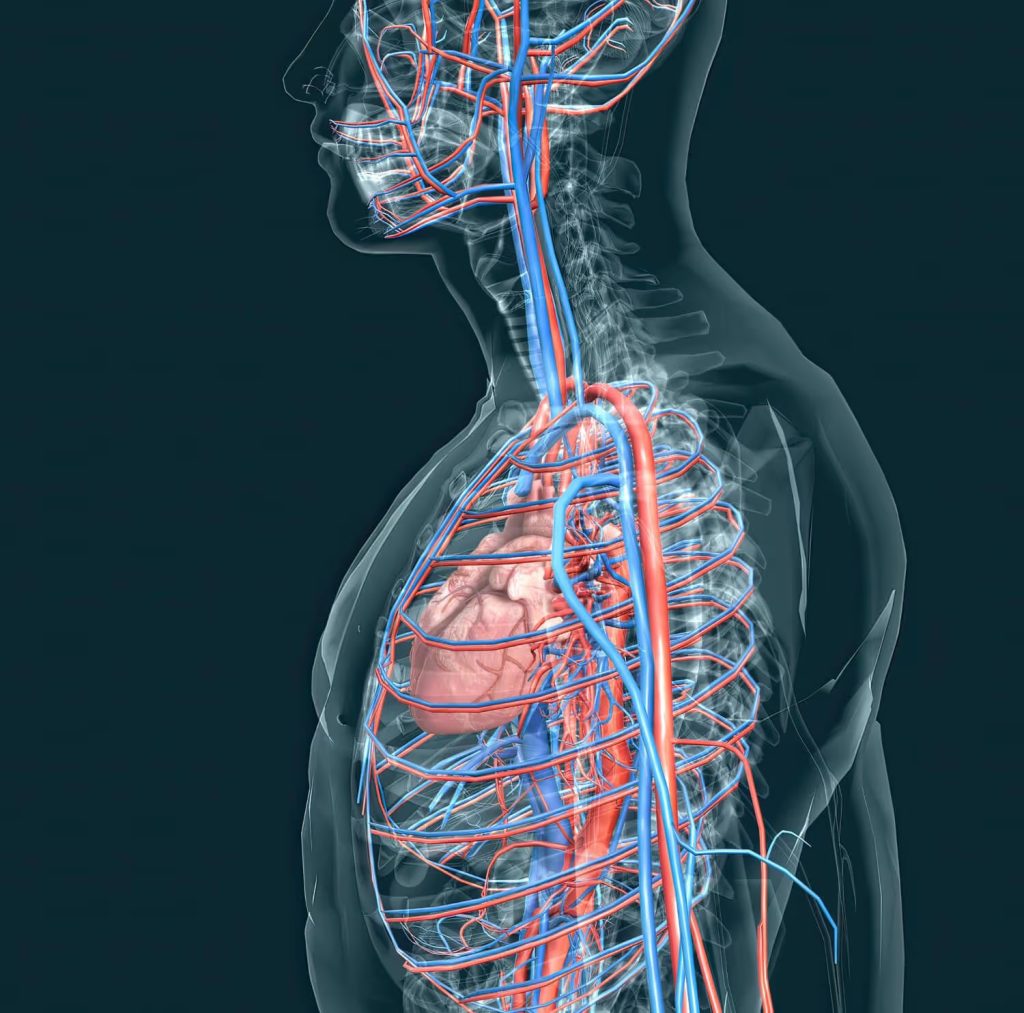
Sexual performance is not controlled by a single system. It is the result of coordinated activity between the brain, hormones, blood vessels, and nerves.
When these systems function well together, erections occur naturally, libido remains stable, and performance is consistent.
When one or more systems begin to decline, symptoms such as reduced firmness, decreased libido, or inconsistent performance may appear.Key biological systems involved include:
Sexual performance often changes gradually rather than suddenly. These changes may be influenced by age, stress, metabolic health, cardiovascular function, or hormone levels.Common contributing factors include:
Because sexual performance is closely connected to systemic health, these changes may also reflect broader shifts in the body’s physiology.
Sexual arousal begins in the brain. Signals from the central nervous system activate pathways responsible for initiating the erectile response.
Pelvic nerves transmit signals to the penile tissue, triggering the release of chemical messengers required for vascular changes.
Nitric oxide allows the smooth muscle of the penile arteries to relax, increasing blood flow into the erectile chambers.
Blood fills the corpora cavernosa, expanding the erectile tissue and creating firmness.
Compression of venous outflow prevents blood from leaving the erectile chambers too quickly, maintaining rigidity.
Sustained signaling between nerves, blood vessels, and smooth muscle maintains the erection until the process reverses.
Sexual health optimization focuses on identifying the biological factors influencing performance and developing an individualized care strategy. Depending on medical evaluation, care strategies may include approaches designed to support:
In some cases, advanced options such as regenerative therapies or structural enhancement procedures may be considered based on individual anatomy and goals.
Men may seek evaluation when experiencing:
Not sure what’s causing your symptoms?
Sexual performance is often closely connected to broader health systems. In many men, changes in erectile function may appear before other cardiovascular or metabolic symptoms become noticeable.
Research has shown strong connections between erectile function and:
Consultation
Care begins with a private consultation focused on symptoms, health history, lifestyle factors, and performance goals.
Medical Evaluation
When appropriate, laboratory testing and clinical assessment help identify the physiological factors affecting sexual function.
Individualized Strategy
Based on evaluation findings, a physician develops a personalized care plan focused on supporting the systems influencing performance.
Monitoring and Optimization
Treatment strategies are monitored and adjusted over time to maintain results and support long-term health.
Sexual performance is closely connected to vascular health, hormone balance, metabolic function, and nervous system signaling. Changes in erection quality or libido are often early indicators that these systems require medical attention. Addressing the underlying physiology may improve performance, energy, confidence, and overall quality of life.