
Daniel R.
San Francisco, CA

I went to Dr. Liu for GainsWAVE and the p-shot. I found him to be quite informed, very friendly, and a pleasure to work with.
ReviewsDaniel R.
San Francisco, CA
I went to Dr. Liu for GainsWAVE and the p-shot. I found him to be quite informed, very friendly, and a pleasure to work with.
Reviews
Marcus B.
San Jose, CA
I found Dr. Liu, one of the only board certified plastic surgeons doing this procedure. We mixed both length and girth, and my confidence shot way up!
Reviews
Anthony C.
Palo Alto, CA
Dr. Liu and his team are amazing, very friendly and professional. I was nervous about having the procedure but Dr. Liu really knows what he is doing and eased my concerns
ReviewsConveniently located to serve the areas of San Francisco, CA
Peptides are short chains of amino acids that act as signaling molecules within the body. They help regulate biological processes such as tissue repair, metabolic balance, inflammation control, and hormone signaling.
Contents
Peptides function as biological messengers that help coordinate communication between cells, tissues, and organs. They bind to specific receptors and trigger targeted physiological responses. Through this signaling process, peptides may influence:
Tissue Repair
Certain peptides may support cellular repair processes involved in tissue recovery.
Inflammatory Regulation
Peptide signaling may help regulate inflammatory responses involved in healing and recovery.
Metabolic Signaling
Some peptides interact with pathways involved in metabolism and energy regulation.
Hormonal Communication
Peptides may interact with hormone signaling pathways within the endocrine system.
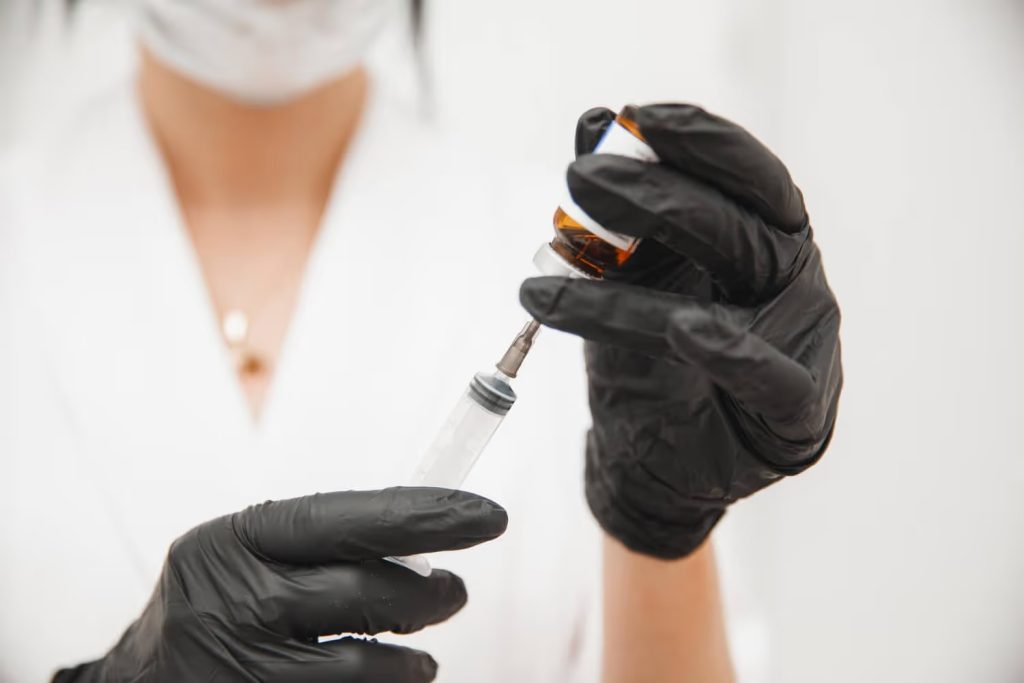
Peptide therapies are often used within regenerative medicine because they interact with natural signaling pathways already present within the body.
Rather than replacing hormones or forcing biological responses, peptides typically work by stimulating or regulating existing physiological pathways.
Peptides work by signaling the body to activate natural biological processes rather than overriding them.Because of this mechanism, peptide therapy is frequently integrated into broader strategies focused on recovery, regeneration, and long-term health performance.
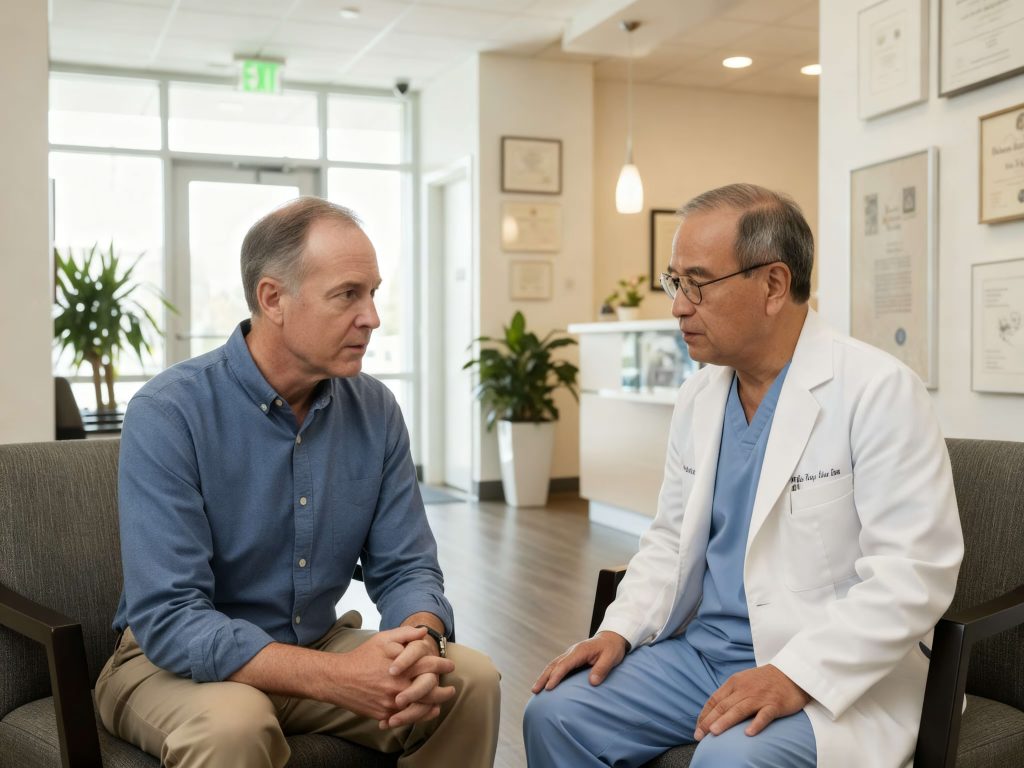
Consultation
Evaluation of symptoms, health history, and overall goals for longevity or performance optimization.
Medical Evaluation
Determining whether NAD+ therapy may be appropriate within a broader care strategy.
Therapy Sessions
NAD+ may be administered through physician-guided treatment protocols.
Monitoring and Adjustment
Treatment frequency and duration may be adjusted based on response and patient goals.
The specific peptides used depend on medical evaluation and treatment goals. Below are examples of peptides that may be discussed during consultation.
Is this approach right for everyone?
Treatment decisions are based on physician evaluation, medical history, and individual health goals.
Is this a one-time treatment or ongoing care?
When appropriate, therapies are often part of ongoing care strategies focused on long-term outcomes.
How is care personalized?
Care plans are developed based on physiology, diagnostics, and individual goals.
Longevity medicine is proactive, not reactive. Peptide therapy is often considered alongside other physician-guided strategies such as:
Patients sometimes explore peptide therapy as part of broader regenerative or longevity strategies when they are interested in:
Recovery Support
Improving recovery capacity after physical stress or activity.
Performance Optimization
Supporting physiological performance and resilience.
Metabolic Health
Supporting biological pathways involved in metabolic balance.
Regenerative Medicine
Exploring therapies that interact with the body’s natural repair mechanisms.
Peptide therapy is often integrated with other physician-guided longevity treatments rather than used as a standalone approach.These may include: